
 By Mustafizur
Plumbing is the most in-demand skilled profession in this era. Those who have entered this profession try to learn more about it. There is no uniform timeframe for How Long does it take to become a Plumber. The length of time is influenced by three factors: an individual’s career goals, their chosen educational path, and the regulatory mandates of their specific state. This guide provides a comprehensive overview of the entire career path, from initial entry to obtaining a full professional license.
A plumbing career goes through four stages:
- Apprentice Plumber – Learning on the job while attending classes.
- Journeyman Plumber – Qualified to work independently under general supervision.
- Master Plumber – Experienced, capable of managing teams and running a business.
- Licensed or Certified Plumber – Officially recognized as meeting state or local standards.
Knowing these stages helps answer questions like how long does it take to become a journeyman plumber or how long does it take to become a master plumber.
People who want to work as plumbers usually start after high school. A bit of math and science helps a lot. These subjects make it easier to understand water pressure and system layouts. You don’t need a college degree for this job. Still, many choose short courses at trade schools or community colleges. These programs teach basic plumbing skills before you start real work.
Typical program lengths:
- Short courses: 6–12 months
- Full technical programs: 1–2 years
These programs teach plumbing codes, tools, installation techniques, and basic troubleshooting. Starting with formal training makes the transition into apprenticeships smoother and reduces the total time to become a licensed or certified plumber.
After training, you start as an apprentice. This stage is where you learn real skills on the job. You work with a licensed plumber and attend classes at the same time.
Duration: Usually 4–5 years
Skills Learned:
- Basic pipe installation
- Water heater and drainage systems
- Troubleshooting and safety protocols
Apprenticeship Progression Table:
| Stage | Duration | Key Skills |
| Entry | 1 year | Tools, basic plumbing, safety |
| Mid | 2–3 years | Pipe fitting, valve work, repair skills |
| Advanced | 4–5 years | Complex systems, code knowledge, prep for licensing |
This phase is when most plumbers gain enough experience to answer how long does it take to become a journeyman plumber.
A journeyman plumber can work independently and supervise apprentices. Requirements vary by state but generally include:
- Completion of apprenticeship
- Thousands of practical work hours (often 4,000–8,000)
- Passing a licensing exam
Most apprentices become journeymen in about 4–5 years. At this point, plumbers can handle larger projects and earn better pay. If your goal is certification, this stage also prepares you for exams, helping answer how long does it take to become a certified plumber.
Read More: OEX Power Module for Table for Office Décor
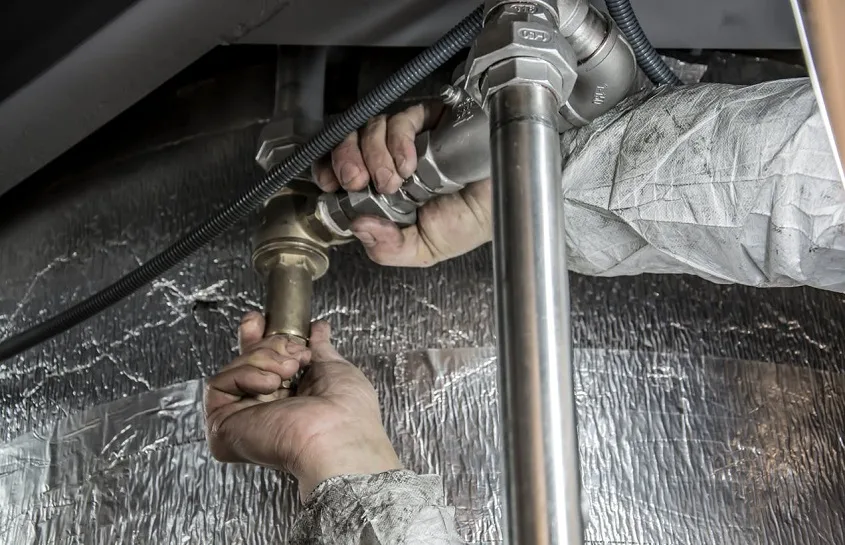
Master plumbers have extensive experience and advanced knowledge. To become a master plumber, you usually need:
- Several years as a journeyman (2–5 years)
- Passing a comprehensive exam covering advanced techniques, codes, and business management
Typically, becoming a master plumber takes 7–10 years from the start. Master plumbers can run their own business, manage teams, and oversee large-scale projects. This is where the question how long does it take to become a master plumber becomes clear.
Licensing and certification confirm your qualifications and allow you to practice legally.
- Licensed Plumber: Meets state requirements to perform plumbing work.
- Certified Plumber: Demonstrates expertise in specialized areas, like medical gas systems or green plumbing.
Getting a license or certification usually takes 5–7 years from the start of training, depending on experience and exam schedules. This addresses both how long does it take to become a licensed plumber and how long does it take to become a certified plumber.
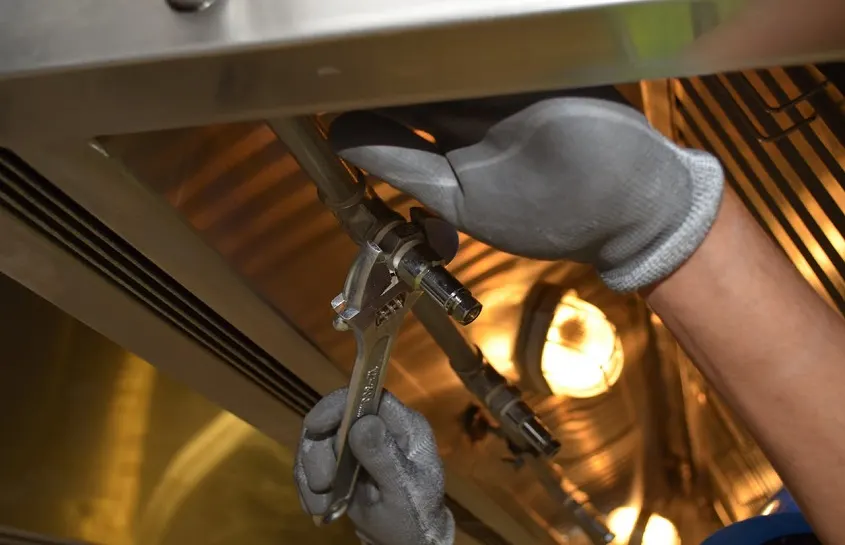
The timeline can vary based on:
- Education route – Technical school programs can shorten apprenticeship time.
- Work hours – Full-time apprenticeships speed up experience accumulation.
- State regulations – Each state sets its own licensing rules.
- Specialization – Pursuing advanced certifications may add extra months or years.
Planning your path carefully can help you realistically estimate how long does it take to become a plumber in your area.
Plumbing is a rewarding profession with competitive salaries that grow with experience and certification.
| Level | Average Salary (USD) | Responsibilities |
| Apprentice | $30,000–$40,000 | Learning and assisting |
| Journeyman | $50,000–$70,000 | Independent plumbing, supervising apprentices |
| Master Plumber | $80,000–$100,000+ | Business ownership, project management |
| Certified Specialist | Varies | Specialized expertise in advanced plumbing |
Higher qualifications usually mean better pay, greater responsibility, and long-term career stability.
- Start Technical Programs Early – Some programs combine classroom and apprenticeship hours.
- Work Full-Time During Apprenticeship – Maximize hands-on learning.
- Stay Updated on Plumbing Codes – Makes exams easier.
- Pursue Special Certifications – Specialized skills improve job prospects.
These strategies help answer how long does it take to become a master plumber and speed up your professional growth.
How long does it take to become a plumber? It mostly depends on your goals and how fast you move through training. Most people reach the journeyman level in about four or five years. Becoming a master plumber usually takes another two to five years. Overall, the full path from beginner to licensed plumber can take five to seven years. The process needs patience and steady effort, but the results are worth it. You gain stable work, good income, and chances to grow in different areas of plumbing. By knowing each step, you can plan your journey and see clearly how long does it take to become a plumber.
 Robin Smith