
 By Robin Smith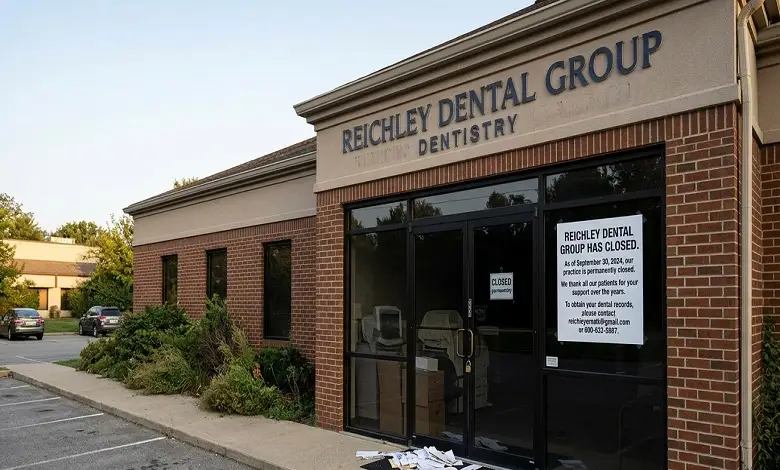
The Reichley Dental Group closure has raised questions for many former patients in Beavercreek, Ohio. After serving local families for about 50 years, the dental practice announced its permanent closure in March 2026. The announcement came as Dr. Rochelle Reichley faced a serious health condition and needed to focus on her treatment.
For former patients, the closure creates several practical concerns. They may need access to dental records, X-rays, unfinished treatment information, insurance details, or a new dentist. Understanding what has been publicly confirmed and what remains unclear can make the transition easier.
This guide explains what happened, what is known about patient records, and what former Reichley Dental Group patients can do next.
Reichley Dental Group announced its permanent closure in March 2026. WHIO reported on March 11 that the practice had closed after approximately 50 years of operation. The public announcement said Dr. Rochelle Reichley had been diagnosed with Stage 4 lung cancer that had spread to her brain and needed to focus on her health and treatment.
The practice was founded by Dr. Joe Reichley in 1975. According to the practice’s former website, it moved to Beavercreek in 1988, and Dr. Rochelle Reichley joined her father in 2000. She later continued the practice after his retirement.
The closure therefore ended a long-running family dental practice that had served multiple generations of patients.
Reichley Dental Group operated at 1450 Hanes Road in Beavercreek, Ohio, and provided general, preventive, cosmetic, and other dental services.
The practice’s own historical information states that Dr. Joe Reichley founded the business in Enon in 1975 before moving it to Beavercreek. Dr. Rochelle Reichley joined the practice in 2000 and eventually became the dentist responsible for continuing the family practice.
In March 2026, the practice announced that it would permanently close. Local reporting attributed the decision to Dr. Rochelle Reichley’s health and treatment needs.
| Detail | Information |
| Practice | Reichley Dental Group |
| Location | Beavercreek, Ohio |
| Founded | 1975 |
| Beavercreek location | 1988 |
| Founder | Dr. Joe Reichley |
| Dr. Rochelle Reichley joined | 2000 |
| Closure announcement | March 2026 |
| Closure status | Permanent closure announced |
| Main concern for former patients | Records and continuity of dental care |
According to the March 2026 report from WHIO, the practice announced its closure after Dr. Rochelle Reichley was diagnosed with Stage 4 lung cancer that had spread to her brain. The practice said her focus needed to be on her health and treatment.
This is the reason publicly reported by the practice and local media. Patients should avoid relying on additional speculation about the doctor’s private medical circumstances.
The announcement also expressed gratitude to the community and patients who had supported the practice over the years.
Patient records are one of the most important issues following the Reichley Dental Group closure.
WHIO reported when the closure was announced that patients could contact the office at 937-475-9541 to request copies of their dental records.
The initial record-transfer period reported at the time was limited. Because that announcement was made months ago, former patients should not assume that the same number is still actively monitored or that the original record arrangements remain unchanged.
Before sending sensitive personal or medical information, confirm who currently maintains the records.
If you were treated by Reichley Dental Group, obtaining your dental records can make it much easier for another dentist to continue your care.
A useful request can include:
| Record to Request | Why It May Help |
| Dental treatment notes | Provides history of previous care |
| X-rays | Helps the new dentist compare earlier and current conditions |
| Periodontal records | Useful for monitoring gum health |
| Treatment plans | Shows previously recommended procedures |
| Crown or bridge information | Helps identify existing dental work |
| Implant information | Can help with future maintenance |
| Referral records | Provides information from specialists |
| Billing information | Helps resolve payments and insurance questions |
Ask whether records can be provided electronically. Digital copies of X-rays can be particularly useful when transferring care to another dental office.
The situation can be confusing because older online listings may still display the practice’s address, telephone number, or dentist information.
For example, the American Dental Association’s online directory still shows a profile for Dr. Rochelle Reichley and the former Reichley Dental Group address.
The former practice website also remains accessible in indexed pages and displays historical contact information.
These listings should not automatically be interpreted as evidence that the practice is currently operating or accepting appointments. Search listings and professional directories can remain online after a business closes.
If you cannot reach the former office, ask specifically for information about the current custodian of patient records and document your request.
The Reichley Dental Group closure may be particularly important for patients who were already receiving treatment.
You might have had a temporary crown, filling, denture, implant procedure, root canal, periodontal treatment, or another procedure that required follow-up.
In this situation, arrange an appointment with another dentist rather than waiting indefinitely for the previous practice to reopen. Bring any paperwork, treatment estimates, prescriptions, X-rays, receipts, or appointment documents you still have.
The new dentist may need to perform a new examination before continuing treatment. A previous treatment recommendation does not necessarily mean the same procedure will still be appropriate.
Do not delay dental care simply because your previous dentist has closed.
If you develop significant tooth pain, swelling, a broken tooth, bleeding, or symptoms of infection, contact another dental office promptly. Tell the office that your previous provider has closed and explain whether you have unfinished treatment.
For serious symptoms, particularly swelling that affects breathing or swallowing, seek emergency medical care.
Your new dentist can evaluate the immediate problem first. Previous records can be transferred afterward.
Former patients do not necessarily need to find a dentist who provides exactly the same services as Reichley Dental Group. The right choice depends on your current dental needs.
For routine cleanings, examinations, and fillings, a general dentist may be appropriate. More specialized problems may require a periodontist, endodontist, oral surgeon, or prosthodontist.
The American Dental Association’s Find-a-Dentist directory currently lists multiple dental professionals in Beavercreek, including general dentists and specialists.
When contacting a new dental office, ask:
- Are you accepting new patients?
- Do you accept my dental insurance?
- Can you review treatment started by another dentist?
- Can I send my previous X-rays and records?
- Do you provide the type of treatment I currently need?
- Can you offer an urgent appointment if I have pain?
These questions can help you find a provider without unnecessarily delaying treatment.
A practice closure can also create questions about insurance claims, outstanding balances, and payments for treatment that was not completed.
If you recently paid for treatment, keep your receipts and request an itemized statement if one is available. Contact your insurance company about any pending claims or preauthorizations.
If a treatment plan was approved before the closure but the procedure was never completed, ask your insurer whether the authorization can still be used. A new dentist may need to submit new information or create a new treatment plan.
Keep copies of all communications with both the insurance company and any party handling the former practice’s financial records.
There is an important distinction between finding another dentist in Beavercreek and identifying a confirmed successor to Reichley Dental Group.
The sources reviewed for this article do not establish that a particular dental practice has formally taken over all Reichley Dental Group patients.
Former patients should therefore avoid assuming that a nearby dentist automatically has their records.
If someone tells you that another practice has acquired the patient files, verify that information directly before providing personal or medical information.
If you were a patient of the practice, the following steps can help you transition to a new provider.
1. Request Your Records
Ask for your complete dental history, including X-rays, treatment notes, periodontal records, and treatment plans.
2. Save Your Existing Documents
Keep receipts, treatment estimates, insurance correspondence, prescriptions, and any paperwork from previous appointments.
3. Find a New Dentist
Choose a provider based on your current needs, location, insurance, and availability.
4. Transfer Your Records
Once you select a new dentist, ask the receiving office what records they need and whether they can help with the transfer process.
5. Deal With Unfinished Treatment
Tell the new dentist exactly what treatment had already started or what procedures had been recommended.
6. Do Not Delay Urgent Care
Pain, swelling, infection symptoms, bleeding, or damaged dental work should be evaluated promptly.
Because online information about a closed business can remain available for months or years, it is useful to separate confirmed information from assumptions.
| Topic | What Is Confirmed | What Should Not Be Assumed |
| Closure | Permanent closure was announced in March 2026 | That the office may reopen |
| Reason | Public announcement linked it to Dr. Reichley’s health and treatment | Additional private medical details |
| Patient records | WHIO reported a contact number for records when the closure was announced | That the same number is still monitored |
| Former address | 1450 Hanes Road is associated with the practice | That the office is still operating there |
| Successor practice | No confirmed successor identified in the sources reviewed | That another dentist automatically has all records |
| Online listings | Historical practice information remains indexed | That an online listing proves current operations |
This distinction is especially important for former patients searching online for the latest information.
The Reichley Dental Group closure marks the end of a long-running family dental practice in Beavercreek, but former patients can take practical steps to continue their care.
The most important priorities are obtaining your dental records, finding a new provider, checking any unfinished treatment or insurance matters, and seeking prompt care for dental problems. Because older practice information remains available online, verify current contact and records information before sharing personal details.
For former patients, the goal is not simply to find out why Reichley Dental Group closed. It is to make sure their dental history, current treatment needs, and future care are properly managed during the transition.
A. Yes. Reichley Dental Group announced a permanent closure in March 2026 after approximately 50 years of operation.
A. The practice said the closure was related to Dr. Rochelle Reichley’s serious health condition and the need to focus on treatment.
A. WHIO reported 937-475-9541 as the contact number for requesting dental records when the closure was announced. Because the closure occurred months ago, confirm who currently handles the records before sending sensitive information.
A. No confirmed successor practice was identified in the sources reviewed for this article. Former patients should independently arrange care with a new provider and verify where their records are held.
A. Contact a new dentist and explain what treatment was started. Bring any records, X-rays, treatment plans, receipts, or other documents you have. The new dentist can determine the appropriate next step.
A. Contact another dental provider as soon as possible. Do not wait for your previous records if you need urgent treatment.
 Mustafizur