
 By Mustafizur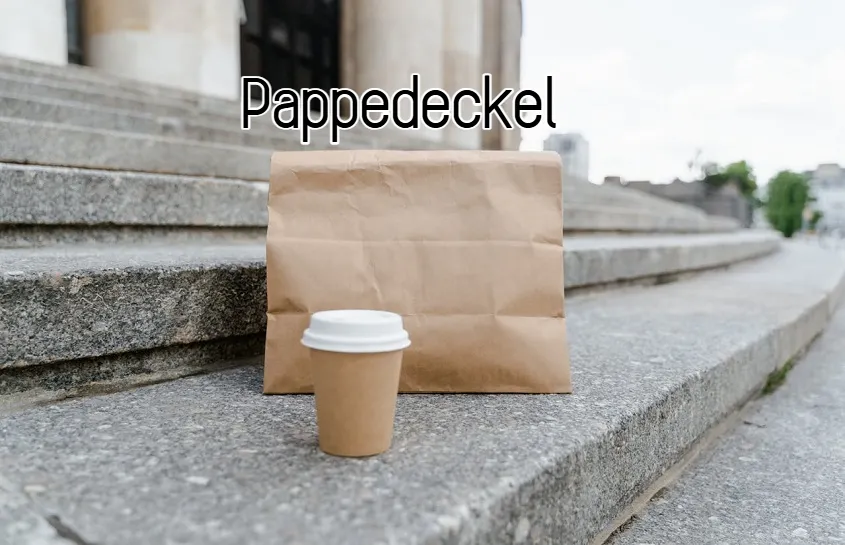
If you’ve ever ordered a coffee in Germany, you might have come across the word pappedeckel. It literally translates to “cardboard lid,” and that’s exactly what it is. At first glance, the pappedeckel seems unremarkable. It’s just a flat, round piece of cardboard pressed on top of a cup or container. But don’t let its simplicity fool you.
The pappedeckel has started gaining attention far beyond cafés and bakeries. With plastic waste becoming a global concern, this humble cardboard lid is being recognized as a smarter, greener alternative. Businesses are adopting it not just for sustainability but also for branding and customer experience. Let’s explore why the pappedeckel is more than just a lid—it’s becoming a packaging solution for the future.
A pappedeckel is a lid made from paperboard or recycled cardboard. It is easy, recycled and often compost. When you mostly look at the Tech Uve Coffee Cup or Ice Cream Karet, the idea extends to other forms of food packaging.
Unlike the plastic lid, which is about landfills and sea for centuries, Pepadekel breaks down naturally. This is why so many brands now change.
The pappedeckel has been around longer than most people think. Early dairies used pressed cardboard lids to seal milk bottles. Bakeries packaged cakes with cardboard covers. For decades, these lids were normal.
Then plastic stormed the packaging world. It was cheaper, stronger, and waterproof. The cardboard lid slowly disappeared. Fast forward to today, and the pappedeckel is back in fashion. This time, it’s making headlines for its role in reducing plastic waste.
Read More: Pernithia Galnith: Secrets of the Unknown
Eco-Friendly Appeal
The biggest reason is obvious: sustainability. A pappedeckel is biodegradable, recyclable, and much less damaging to the planet compared to plastic.
Cost Advantage
Cardboard is cheap and easy to produce. Businesses using pappedeckel save money on bulk packaging.
Branding Opportunity
A pappedeckel is a flat surface—perfect for logos, taglines, or even quirky messages. Some cafés print quotes or jokes on each lid. Customers love sharing them on social media.
Consumer Perception
Using pappedeckel sends a strong message. It shows that the brand cares about the environment. Customers notice that effort.
- Coffee shops: Replace all the plastic lids with printed pappedeckel.
- Takeaway food: Important cover the soups, salads, and noodle bowls.
- Ice cream packaging: A bright pappedeckel makes tubs more attractive.
- Bakery boxes: Flat cardboard lids that keep cakes safe.
- Crafting: Creative people use old pappedeckel for coasters, stencils, or art projects.
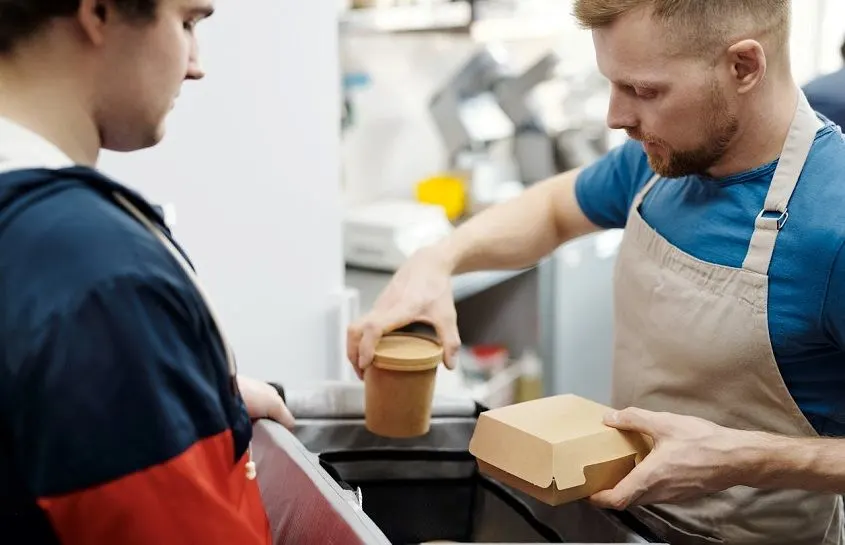
The process is straightforward. Recycled cardboard or fresh paperboard is cut into shape. Designs and logos are printed, and some lids receive a thin, food-safe coating to resist steam or oil. The end result is a functional lid that balances practicality with eco-friendliness.
| Feature | Plastic Lid | Pappedeckel |
| Biodegradable | No | Yes |
| Recyclable | Limited | Always |
| Branding Potential | Very limited | Excellent |
| Cost in Bulk | Higher | Lower |
| Consumer Image | Old, wasteful | Modern, eco-friendly |
The table makes it clear: the pappedeckel wins where it matters most today.
A small café in Munich switched from plastic to pappedeckel. At first, they thought customers would complain about durability. Instead, customers started posting photos of the lids online—because the café printed funny quotes on each one.
The move didn’t just reduce plastic waste. It boosted the café’s brand image and gave them free marketing on Instagram. That’s the hidden value of pappedeckel—it creates connection.
Of course, pappedeckel isn’t perfect.
- Steam from hot drinks can soften it if it isn’t coated.
- For long-term storage, plastic is still more durable.
- Quality control matters; poorly made lids can warp.
But for everyday takeaway drinks and food, the pappedeckel is more than up to the task.
Looking ahead, the pappedeckel will likely evolve even further. Manufacturers are experimenting with:
- Moisture-resistant biodegradable coatings
- Interactive lids with QR codes and promotions
- Creative shapes beyond the usual circle or square
- Global adoption as plastic bans spread worldwide
We’ll probably see pappedeckel in far more industries than just food and drink. Cosmetics, health products, even promotional packaging could adopt them.
For companies, adopting pappedeckel is more than an eco-friendly gesture. It’s a business opportunity.
- Customers reward green practices.
- Pappedeckel saves money in bulk.
- Every lid becomes a mini advertising board.
In today’s market, where details matter, even something as small as a lid can make or break a brand’s reputation.
The pappedeckel may look simple, but it carries weight. It’s a story about how packaging is evolving—about businesses, customers, and sustainability.
Plastic lids once seemed unbeatable. But the tide is turning. Now the pappedeckel is not only practical but also symbolic. It represents a world where even the smallest packaging choice can make a big difference.
So, the next time you sip coffee from a cup with a cardboard lid, remember: that little pappedeckel is helping write the future of packaging.
A: It’s just the German word for a cardboard lid.
A: Because it’s paper, not plastic, and breaks down easily.
A: Yes, most are fine for coffee or tea.
A: Coffee shops, takeaway food tubs, even ice cream packs.
A: Small change, yes—but customers notice and it cuts down on plastic waste.