
 By Mustafizur
There’s something special about packing for a trip. The excitement, the nervous energy, the endless checklist—you know the drill. But let’s be honest, the bag you carry can make or break your journey. I learned this the hard way. Once, on a bus ride across Laos, I had a cheap pack digging into my shoulders the entire trip. It felt like torture. Since then, I’ve paid close attention to the humble but mighty backpack with straps.
People often think a backpack is just about space. But trust me, straps change everything. Comfort, balance, style—it all comes down to the design hanging off your shoulders. Let’s dig into why straps matter so much, and how choosing the right type can transform your travel experience.
Think about the last time you carried a heavy load. Without proper support, the weight pulls on your shoulders and messes with your posture. After an hour, you’re tired; after three, you’re miserable. Straps aren’t just decoration. They’re the lifeline of your backpack.
A good design spreads the weight evenly. Instead of all the pressure sitting on your shoulders, it gets balanced across your body. That’s why seasoned travellers swear by certain models. They know small details like a chest strap or waist strap can make long walks less punishing.
Let me tell you, the first time I used a backpack with chest strap, it was a revelation. I was hiking in the hills, my bag stuffed with water, snacks, and way too many “just in case” items. Normally, the straps would slip, and the bag would sway every step I took. With the chest strap clipped, everything felt tighter, more stable.
It’s such a simple feature, but it makes a huge difference when you’re moving a lot. For cyclists, trekkers, or even city explorers rushing through crowded streets, this little strap keeps the backpack exactly where it should be.
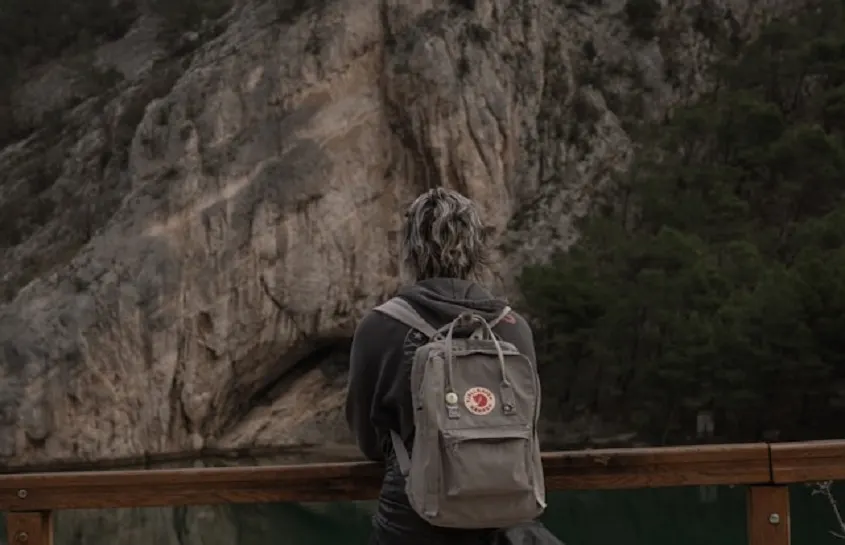
Now, if you’re hauling serious weight, nothing beats a backpack with waist strap. So, I tried this backpack on a camping trip up in the Himalayas, and honestly… I don’t even know how I survived without it. The waist strap? Total game-changer. It moved most of the weight down to my hips, which meant my legs were doing the work instead of my poor shoulders.
On long treks, this thing is basically a must. It’s not just about feeling comfy; it actually protects your body from all that strain over time. If you’re planning a hike or some serious long-distance travel, you really want to make sure your bag has a waist strap. Trust me, your back will thank you.
You know, not every trip is some epic mountain climb. Honestly, most of the time, just surviving an airport is enough adventure. Weirdly enough, that’s when a Backpack with Luggage Strap really saves the day. You slide it over your suitcase handle, and suddenly, carrying three things at once feels… I don’t know, way easier.
The first time I tried it, I actually laughed. I was like, “Why didn’t I do this before?” My shoulders weren’t killing me while waiting in line forever, and I didn’t have to awkwardly shift the bag every two seconds. It’s such a small thing, but seriously, if you fly a lot, it feels like a tiny miracle. Like, someone just handed you a trick you didn’t even know you needed.
If you’re more into urban travel or commuting, the Nike backpack with bubble straps is worth mentioning. I picked one up for everyday use, and the padded “bubble” design feels like carrying clouds on your shoulders. It’s stylish, too, which means you can walk into a classroom, office, or train station without looking like you’re headed on an expedition.
It’s not exactly the bag for mountain treks, but for city life and short trips, it checks almost every box. Comfortable, durable, and trendy—it’s easy to see why so many people love it.
Of course, not everyone is after a sporty look. Some travellers want their gear to match their personality. That’s where the rucksack backpack vintage style comes in. I’ve seen them in canvas, leather, and blends of both. They look timeless, almost like something explorers from the 1950s might’ve carried.
But don’t let the “vintage” fool you. Many of these models come with modern features like laptop sleeves and water-resistant coatings. So, you get the charm of old-school style with the practicality of modern travel gear.
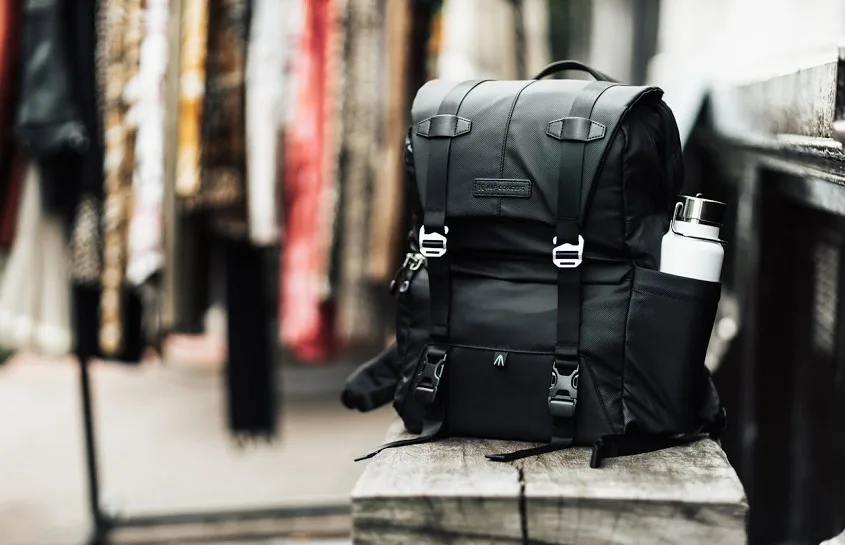
The truth is, no single backpack works for every situation. If you’re flying often, you’ll love the luggage strap feature. If you’re hiking, chest and waist straps are non-negotiable. If you’re commuting or studying, the bubble-strap Nike design will feel perfect. And if you’re exploring cities and care about aesthetics, a vintage rucksack blends charm with function.
The key is asking yourself: “Where am I going, and how much am I carrying?” Once you answer that, your choice becomes clear.
Read More: Pernithia Galnith: Secrets of the Unknown
While straps are the star of the show, a good travel bag offers more. I always look for:
- Durability: No one wants a broken zipper halfway through a trip.
- Water resistance: Essential when rain catches you by surprise.
- Compartments: A lifesaver for organizing passports, cables, or snacks.
- Breathable panels: Makes hot weather more bearable.
- Lightweight materials: Because nobody wants to carry extra weight for no reason.
It’s a mix of these details that separates a “decent” backpack from one that you’ll rely on for years.
Here’s something many people overlook—how you wear the bag matters as much as the design itself. Don’t just throw it on. Adjust the straps so it sits snug against your back. If you’ve got chest or waist straps, actually use them. And when you’re packing, keep the heaviest things close to your spine.
I learned this tip from a fellow traveller in Nepal. She laughed at how I had crammed everything at the top, making the bag wobble like crazy. Once I repacked with the heavier stuff near the bottom, the difference was night and day.
Backpacks aren’t just tools anymore; they’re part of your look. A rugged rucksack says, “I’m ready for an adventure.” A sleek Nike design says, “I’m practical but stylish.” A simple luggage-strap backpack tells people, “I travel smart.”
It’s fun when your bag reflects your personality. And in today’s market, you don’t have to choose between comfort and fashion—you can have both.
One last piece of advice: treat your backpack well. Clean it after dusty trips, air it out after hikes, and avoid overstuffing it to keep the zippers safe. If it’s canvas or leather, conditioning the material helps it last longer. I still have a vintage rucksack from years ago, and it’s aged beautifully because I cared for it.
No single backpack with straps works for every situation. Some shine in airports, others belong on mountain trails, and some just look good on city streets. The key is matching the design to your journey. Once you do, you’ll wonder how you ever travelled without it.
A: Both help in different ways. Chest straps add stability, while waist straps take pressure off your shoulders.
A: Yes, for short trips and daily use. It’s super comfortable but not designed for heavy hiking loads.
A: Because airports are stressful enough. This feature lets you attach the bag to your suitcase and move freely.
A: Both. Many modern rucksacks blend classic looks with modern compartments for laptops and gadgets.
A: It should sit close to your back, not hang loose. The weight should feel balanced, not dragging you down.
A: Yes. By shifting weight to your hips, it takes pressure off your spine.
A: One that has adjustable straps, a chest strap, and a luggage strap. This combo works for most situations.